
 0
0
 0
0
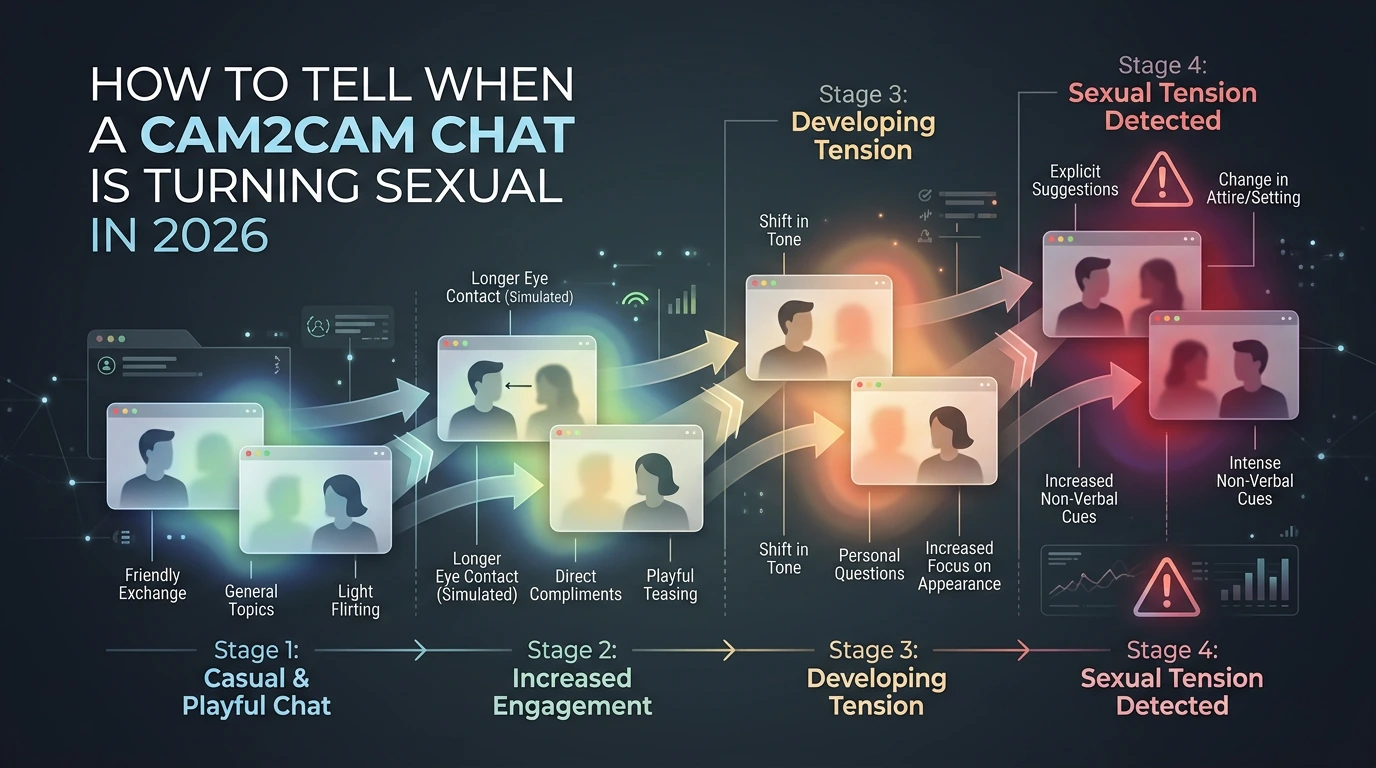
By the time a cam2cam chat is obviously sexual, you’re already late.
The real shift usually happens earlier, in the small moments people talk past because they’re waiting for something louder.
A pause that stops feeling awkward.
A reply that comes back warmer.
An expression that lingers instead of bouncing away.
A joke that turns into a dare without anyone announcing that it just happened.
If you can read those transitions properly, you stop forcing escalation and start moving with the room.
The Shift Is Usually Emotional Before It’s Explicit
Most guys assume the sexual turn begins with a dirty line.
It usually doesn’t.
It begins when the room stops feeling defensive.
That can mean less nervous laughter. Fewer filler words. Better eye contact. Less “performance checking” and more actual responsiveness. You’re not just talking at each other anymore — you’re measuring each other in real time.
This lines up with what broader attraction research keeps finding. TIME’s research-backed piece on flirting points out that interest often grows from availability signals and mutual focus rather than one giant move. Cam2cam just compresses those signals into a much tighter room.
Phase One: The Room Is Still Testing Itself
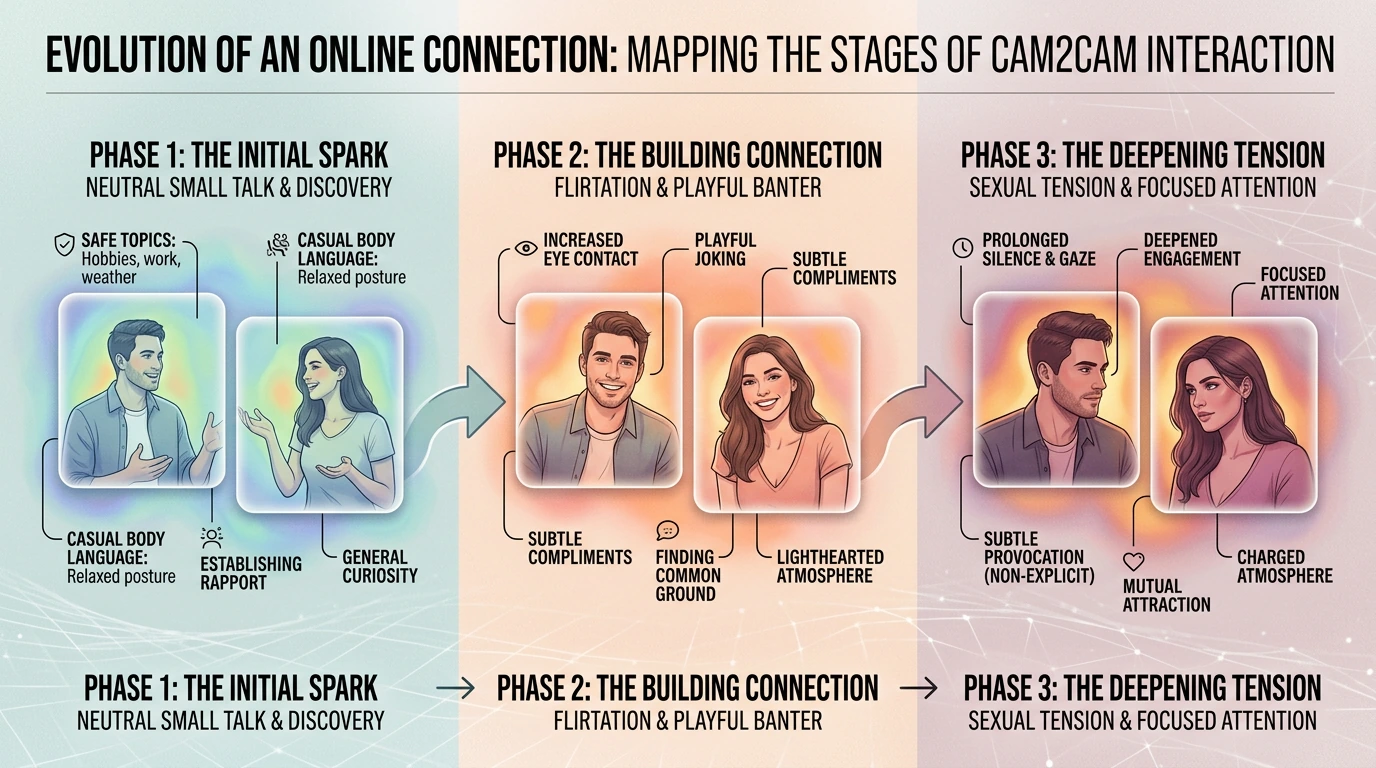
At the beginning, both people are asking a basic question: is this worth staying in?
This is where weak chats die. One side rushes. The other side freezes. Somebody gets bored. Somebody overtalks. Somebody drops a line that belongs in a different room and the whole thing collapses.
Good chats survive because neither person panics the first quiet beat. They leave room for tone to form.
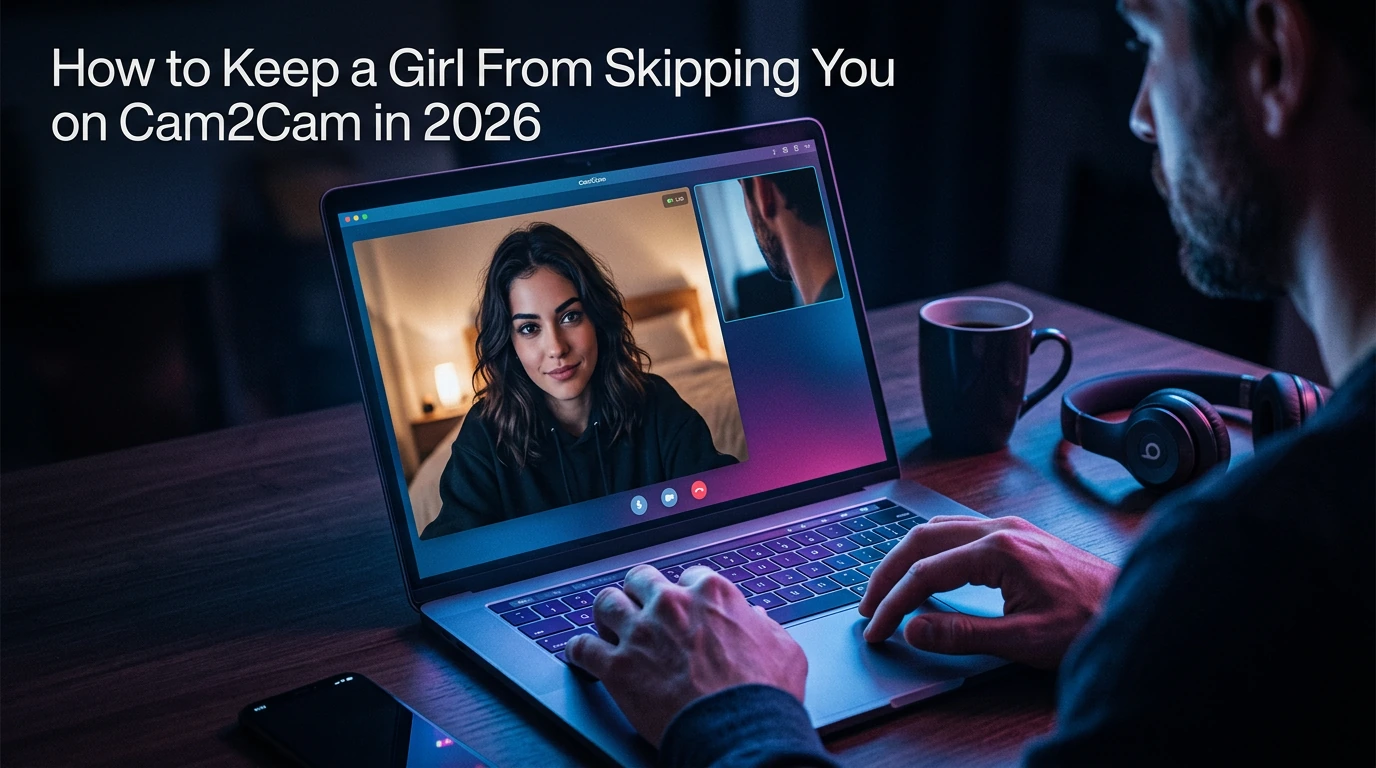
If you’ve already read pieces like how to keep a girl from skipping you on cam2cam, you’ve seen the survival version of this idea. The sexual version is just the next layer: a room can’t heat up if it never stabilizes first.
Phase Two: The Replies Stop Being Functional
This is a big one.
When a chat is still neutral, replies tend to be practical. They answer the question and stop. When the room is starting to turn, replies begin doing extra work. They tease a little. They give something back. They invite a next line without saying “keep going” outright.
That’s when the rhythm changes.
It becomes less like a queue and more like a loop.
This is why dry, extractive lines fail so often. A crude demand doesn’t give the other person anything to shape. It only asks them to comply. GQ’s advice on online flirting may come from a different lane, but the core principle still holds: specific, conversational energy beats lazy generic pressure. Cam2cam punishes lazy generic pressure even faster.
Phase Three: The Pace Slows Down Instead of Speeding Up
This is the part most people misread.
They think sexual tension means everything should move faster.
Often, it’s the opposite.
The room slows down because both people stop shopping for the next thing to say. They start listening more carefully. Small silences don’t feel like danger anymore. They feel loaded.
That’s when a chat gets expensive. You’re no longer half-invested with one eye on the skip button.
Phase Four: The Language Gets More Precise
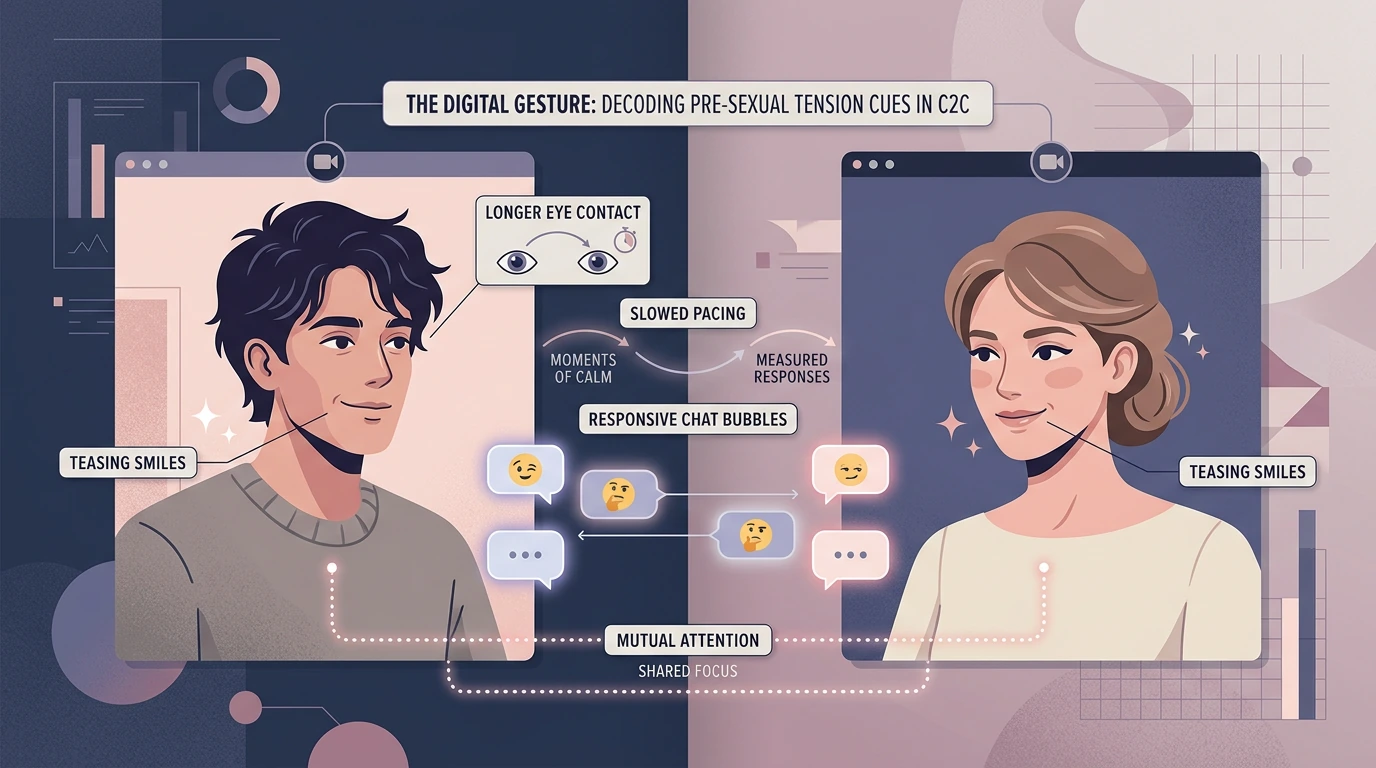
People often imagine the sexual turn as becoming more graphic.
Sometimes that happens. But first, it usually becomes more precise.
The comments get more specific. Someone stops talking about generic attractiveness and starts reacting to exactly what is happening now — your expression, your pacing, your voice, the way you held a look too long, the way you hesitated before answering.
That precision is a better sign than raw explicitness. It means the room is no longer interchangeable.
And once a room stops being interchangeable, escalation gets easier because it no longer feels copy-pasted.
Phase Five: The Next Move Stops Feeling Like a Risk
This is the moment people wait for.
Not the first dirty line. Not the first exposed inch of skin. The moment where the next move feels natural enough that it doesn’t need explanation.
That could be a more intimate question.
A more direct compliment.
A playful challenge.
A line that shifts from teasing into wanting.
If the room is ready, it lands.
If the room isn’t ready, it clangs.
That’s why knowing how to read the lead-up matters more than having one “perfect” escalation line in your pocket. A post like the hi-to-full-nude escalation technique makes more sense once you realize the visible escalation is never the first move. It’s the visible result of a room that already turned under the surface.
What Usually Throws Guys Off
They expect a green light instead of a gradient.
They want a single unmistakable sign so they don’t have to risk being wrong.
But cam2cam doesn’t really work that way. The room shifts by degree, not by announcement. If you keep waiting for certainty, you miss the soft turn and then either overcorrect too late or never move at all.
Reading escalation is less about bravery than attention.
The Cleanest Test
Ask yourself one thing:
Does the room feel narrower or wider?
If it feels narrower — more specific, more responsive, more shared — then the sexual turn may already be underway even if nobody has said anything explicit yet.
If it still feels wide, slippery, generic, or easily replaceable, then it probably isn’t.
Bottom Line
A cam2cam chat is usually turning sexual before the words catch up to it.
The tension shows first.
The rhythm shows second.
The language catches up last.
If you learn to read that order, you’ll stop trying to drag rooms forward and start moving when the room is already ready to move.
That’s where the difference is.